



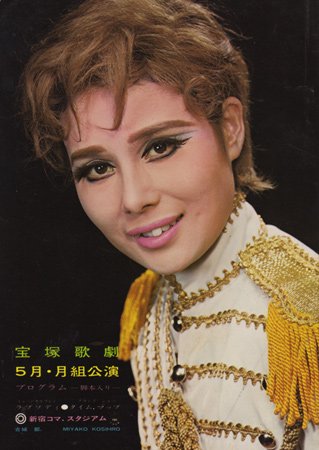
Ever found yourself enchanted by a theatrical performance, wondering about the lives of those captivating performers? Well, today, we’re diving into the fascinating world of Utage Aozono, a name that might not ring a bell immediately but will surely intrigue you as we explore her legacy.
Introducing Utage Aozono: Who is She?
Imagine a world where grace and glamour take center stage. That’s exactly where Utage Aozono made her mark. A former actress in Japan’s renowned Takarazuka Revue, Aozono was a musumeyaku, a specialist in female lead roles. You might wonder why that matters — well, musumeyaku roles are pivotal in bringing stories to life on stage, requiring exceptional talent and charm. Aozono’s contribution to Japanese theater is nothing short of mesmerizing! Her career in the Takarazuka Revue was a testament to the significance of these roles in creating unforgettable theatrical experiences.
Personal Details and Early Life
Have you ever wondered about the person behind the stage persona? Utage Aozono, whose real name is 恭美子 (Kyōbiko), offers a glimpse into a world where art and life blend seamlessly. Fondly known as “Kumi-chan” to those close to her, she stands at a graceful 159 cm, embodying the elegance associated with the roles she portrayed. These details, though seemingly minor, contribute to understanding the personality of an artist who dedicated her life to the stage.
Journey with Takarazuka Revue
Let’s take a quick journey back to the year 1966, or Showa 41 as it’s often known in Japan. This was when Utage Aozono joined the 52nd class of the Takarazuka actresses, marking the beginning of a career filled with unforgettable performances. Aozono’s time as a musumeyaku was nothing short of spectacular. The Takarazuka Revue is renowned for its all-female productions, and roles are typically divided between male and female character types. Aozono excelled in her roles, captivating audiences with her performances.
But here’s the kicker — after years under the spotlight, Aozono decided to step back from her theatrical life to embrace a different chapter. It’s not everyday you hear of such a star willingly transitioning from the world of entertainment to personal life, but that’s what makes her story all the more compelling.
Marriage and Personal Life
Isn’t it fascinating when the stories of art and real life intertwine? Utage Aozono’s marriage to actor Mitsuo Hamada in 1972 became a significant milestone. It’s like a page out of a romantic screenplay — two artists finding love amidst the glitz and glam of their respective careers. This union mirrored a blend of shared passions and experiences, a connection that’s as intriguing off-stage as it might have been on a theater set.
Spotlight Moment in 1973
Picture this: the year is 1973, and Aozono finds herself mentioned in a Hawaiian newspaper. That’s not something that happens every day, right? Her international recognition suggests there was something particularly enduring about her appeal. Perhaps it was an overseas performance or participation in a special event; whatever the cause, it speaks volumes about her impact and popularity beyond Japan. Not many actors get such recognition, and it definitely adds a layer of intrigue to Aozono’s story.
Post-Retirement Era
Once she retired from the stage, Aozono stepped away from the public eye. Her post-retirement era leaves a lot to the imagination. Can you imagine redefining your life after living in the spotlight? While not much is publicly documented about her life during this period, one can only wonder about the paths she explored after she left the world of theater. Did she find new artistic pursuits, perhaps in a quieter realm? These unanswered questions only add to her mystique, leaving fans and followers captivated by her legacy.
Reflecting on Her Impact and Influence
What’s truly remarkable about Aozono’s career is the lasting impact she made on Japanese theater. Her roles in the Takarazuka Revue have left an indelible mark, inspiring countless performers and enchanting audiences across generations. You might compare her influence to that of a beacon, guiding aspiring actresses with her dedication and artistry. Legacy isn’t merely about fame; it’s about the hearts you touch and the inspiration you instill. As someone who dedicated her life to her craft, Aozono’s legacy persists through the stories she helped tell on stage.
Conclusion: Celebrating a Remarkable Journey
And so, as we wrap up this exploration into the life of Utage Aozono, here’s the thing: her story is not just about a glamorous career on stage but also about choices, transitions, and an enduring legacy. Amidst the bright lights, she made bold decisions that reflected both personal and professional growth. Though her time on stage has ended, her contributions to the arts continue to be celebrated and remembered by those who were fortunate enough to witness her talent.
For those who delve into Japanese theater, the name Utage Aozono might serve as a reminder of the charm and passion that the Takarazuka Revue represents. Who knows? Maybe her story could inspire another young talent to follow in her footsteps, crafting their own path in the ever-evolving world of performing arts.
Curious to learn more about figures like Aozono? Check out resources that delve into Japanese theatrical history, or take a look at arts-focused blogs for a deeper dive. You might find something fascinating. Let’s continue to celebrate and share stories of remarkable creativity and passion!
And speaking of creativity and passion, if you’re exploring more inspiring stories from diverse domains, you might want to browse through this resource for a dose of innovation and entrepreneurial zest!
Also Read: